
Alternative Septic Systems in Suffolk, VA
Alternative septic systems in Suffolk, VA, such as sand mounds, aerobic treatment units, sand filters and drip dispersal, clean wastewater further before it reaches the soil. They tend to show up where the ground is wet or the space is tight, and they come with duties an ordinary tank and field don't have: a DPOR-licensed operator, scheduled visits, and reports filed with the Virginia Department of Health. This page covers why a lot may need one, the main types and prices, and the upkeep the state requires.
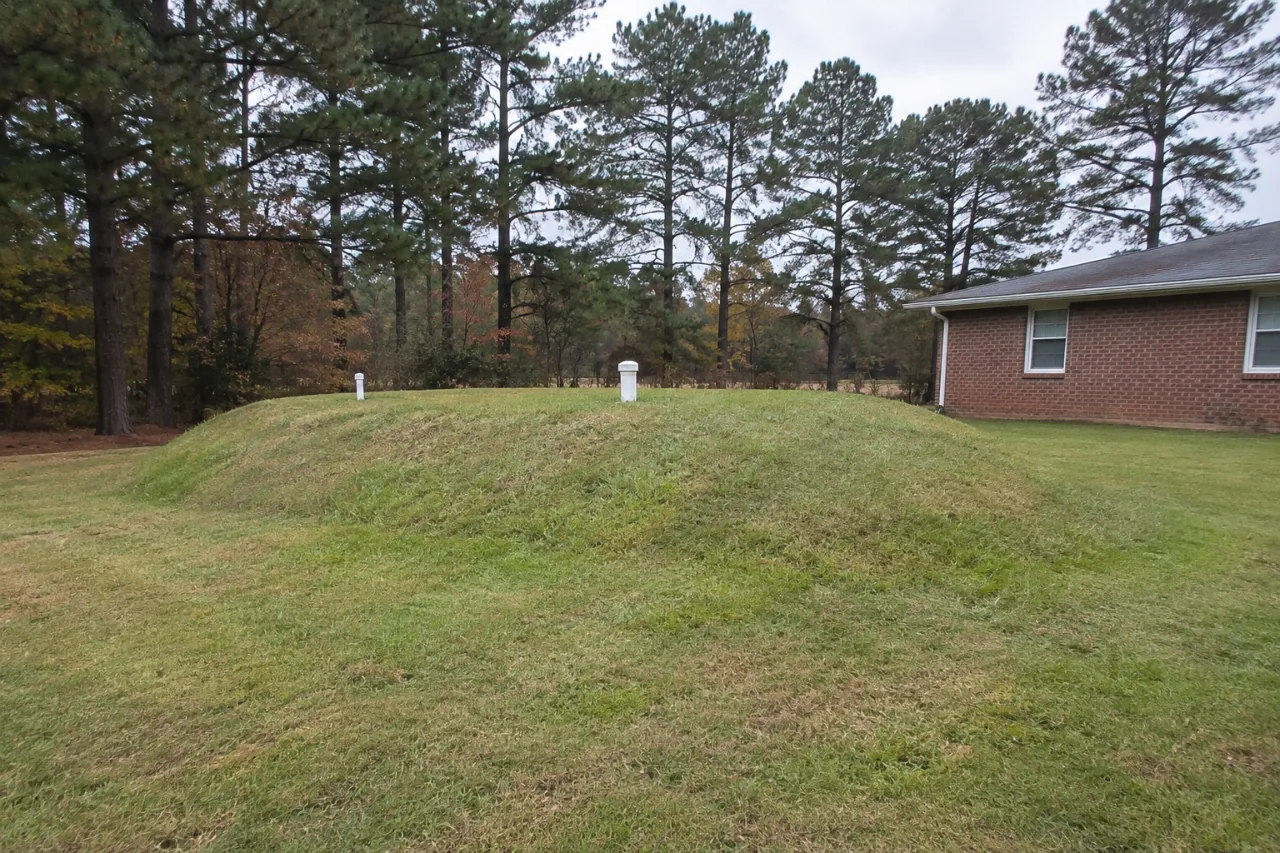
What makes a system "alternative"
The Code of Virginia (§ 32.1-163) defines an alternative onsite sewage system as "a treatment works that is not a conventional onsite sewage system and does not result in a point source discharge." A conventional system, in the Board for Contractors' wording, is one or more septic tanks with gravity, pumped or siphoned conveyance to a gravity-distributed subsurface drain field. A system that departs from that description, for example by pressure-dosing the field or adding a treatment unit, is regulated as an alternative system under its own regulations, 12VAC5-613.
Why a Suffolk lot may need one
Virginia Cooperative Extension lists an alternative system among the repair options for a failed field, because treating the effluent first lets it be dispersed in a smaller area. EPA, for its part, names poor soils and high water tables among the causes of hydraulic failure.
Both matter on the coastal plain. The Suffolk soil series that carries the city's name is well drained, but the federal soil description lists less well drained soils beside it on slightly lower ground. One of them, Lynchburg, holds a seasonal high water table 6 to 18 inches below the surface from November to April. Where a private soil evaluator finds the usable soil that shallow, the design for a repair or a new home may call for treatment, pressure dosing, or a raised bed of sand rather than conventional trenches. The evaluator's report and the permit decide; no one can say from the road.
The main types, with published prices
HomeAdvisor's 2025 septic cost guide gives these national ranges for installed systems:
| Type | What it does | HomeAdvisor, 2025 |
|---|---|---|
| Mound | A bed of sand built above the natural ground, with effluent pumped into it | $10,000–$20,000 (average $15,000) |
| Aerobic treatment | A tank that adds air so bacteria break down more of the waste before dispersal | $10,000–$20,000 |
| Sand filter | Effluent passes through a contained bed of sand for added treatment | $7,000–$18,000 (average $12,500) |
| Drip | Small tubing just under the surface releases effluent in measured doses | $8,000–$18,000 (average $13,000) |
HomeServe's guides land in the same territory: $12,000 to $20,000 for a mound and $10,000 to $20,000 for an aerobic system (November 2025), and $10,000 to $20,000 for a mound field (June 2025). Bob Vila's December 2023 guide gives an average of $12,000 for a mound with installation. All are national figures; the cost guide has the rest.
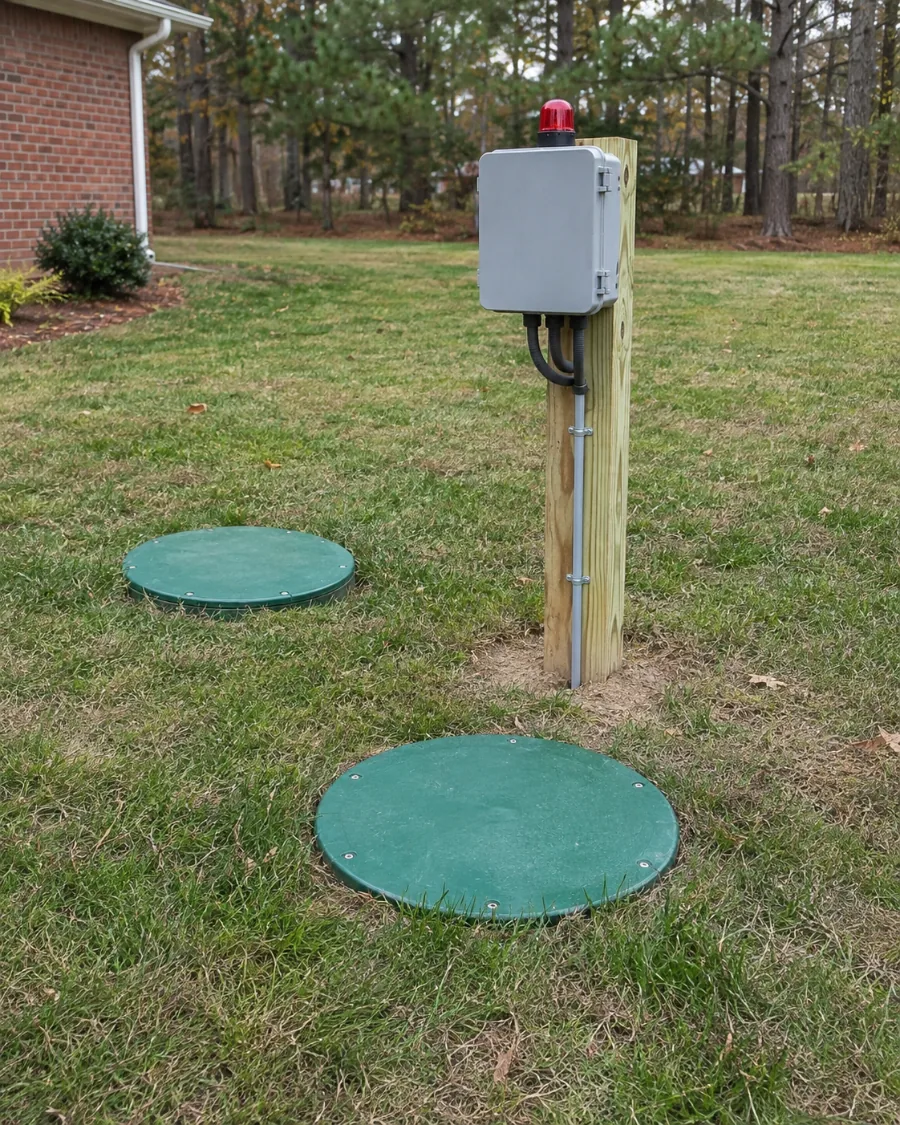
What the owner has to do
VDH's frequently asked questions on alternative-system operation and maintenance, citing 12VAC5-613-140, list the owner's duties:
- Have the system operated and maintained by an operator.
- Have the operator visit at the frequency the regulations require.
- Keep a copy of the operator's log at the property, on paper or electronically.
- Follow the system's operation and maintenance manual, and keep a copy of it.
The same FAQ says all operation and maintenance "must be performed by an operator who is properly licensed by DPOR." That means an alternative onsite sewage system operator, whose license covers operating and maintaining both conventional and alternative systems.
How often the operator visits
Table 4 in 12VAC5-613-150 sets the schedule by design flow:
| Design flow | First visit | After that |
|---|---|---|
| 1,000 gallons per day or less (most homes) | Within 180 days of the operation permit | Every 12 months |
| Over 1,000 to 10,000 gallons per day | First week of operation | Quarterly |
| Over 10,000 to 40,000 gallons per day | First week of operation | Monthly |
At each visit, 12VAC5-613-180 has the operator inspect all components, take the field measurements and samples the rules or the manual call for, do routine maintenance and adjustments, and replace worn or broken parts with functionally equivalent ones. If the system can't be brought back to normal with routine care, the operator must report to the owner immediately what it will take.
Reports to VDH
Under Code of Virginia § 32.1-164(H), the operator reports each visit through VDH's statewide web-based system and pays a $1 fee when the report is filed. 12VAC5-613-190 sets the deadline: "by the 15th of the month following the month in which the visit occurred." Those reports matter later. Virginia's 2025 septic inspection law has the inspector note whether a licensed operator is required and point the client to the health department for the system's operation and maintenance reports. See septic inspections for a sale.
Alternative systems and the city pump-out notice
The City of Suffolk's pump-out FAQ notes that most alternative systems need more maintenance than a traditional one, and that for an alternative system "A copy of the latest maintenance inspection report will suffice in place of a pump out receipt from the hauler." Send it to the Planning Division with the city's certification form; septic pumping has the details and phone number.
When an alternative system fails
A failing alternative system goes through the same repair permit as a conventional one, with private soil evaluator or engineer work and the Western Tidewater fee of $225 for a home-sized system with that documentation. The failing-system waiver in Code of Virginia § 32.1-164.1:1(B), which covers certain treatment and pressure-dosing requirements for systems serving one to four homes, can apply to repairs here too. Installers and contracting firms need the alternative versions of their credentials: an alternative onsite sewage system installer license from DPOR, and the Board for Contractors' alternative sewage disposal system contracting (ADS) specialty for the firm. Look either up on DPOR's License Lookup.
Alternative system questions
Is a homeowner allowed to handle the yearly visit?
Not under VDH's guidance, which says all operation and maintenance must be done by a DPOR-licensed operator. The owner's part is hiring one, keeping the log and the manual, and following the manual.
How often does an operator visit a typical home system?
Every 12 months for a system with a design flow of 1,000 gallons per day or less, after a first visit within 180 days of the operation permit. That is the minimum; the system's O&M manual can call for more frequent visits.
Does an alternative system still need the city pump-out?
The city's FAQ says the latest maintenance inspection report can stand in for a hauler's pump-out receipt. Call Planning and Community Development at (757) 514-4060 to confirm what your notice needs.
Will a contractor recommend a mound or a treatment unit?
That choice comes from the soil evaluation and design, and it is approved through the permit. A contractor installs what the permitted design calls for, so ask the evaluator why a given type was chosen.
How this site helps
Whether an alternative system needs repair or a failed field may need one, a request here goes to one independent local septic contractor in Suffolk who prices the work themselves. There's no charge to you.
Sources
- Code of Virginia, §§ 32.1-163, 32.1-164 and 32.1-164.1:1; § 59.1-310.9
- Virginia Administrative Code, 12VAC5-613 Part III, including 12VAC5-613-180
- VDH, AOSS Operation and Maintenance FAQs
- Board for Contractors, 18VAC50-22-30; DPOR, 18VAC160-40-10 definitions
- Virginia Cooperative Extension, SPES-379, April 29, 2022; EPA, Resolving Septic System Malfunctions
- USDA NRCS, Suffolk and Lynchburg series descriptions
- City of Suffolk, septic pump-out FAQ
- HomeAdvisor, septic system cost, 2025 guide (no month given); HomeServe, septic tank system cost, Nov. 23, 2025, and leach field replacement, June 16, 2025; Bob Vila, septic tank and drain field cost, Dec. 12, 2023
Mound, treatment unit, or a field that may need one?
One independent local septic contractor, their own quote, and no referral fee for you.