
Septic Backing Up in Suffolk, VA? What to Do Today
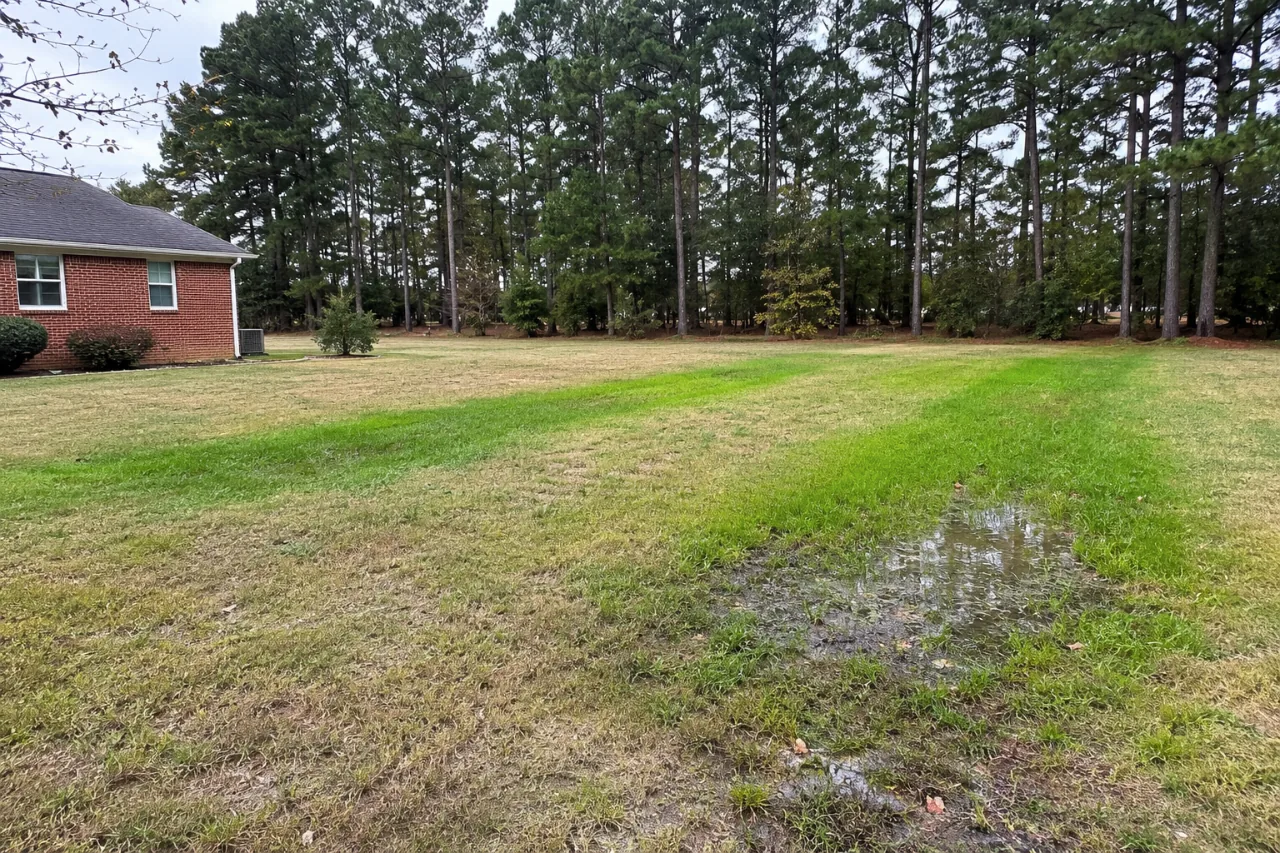
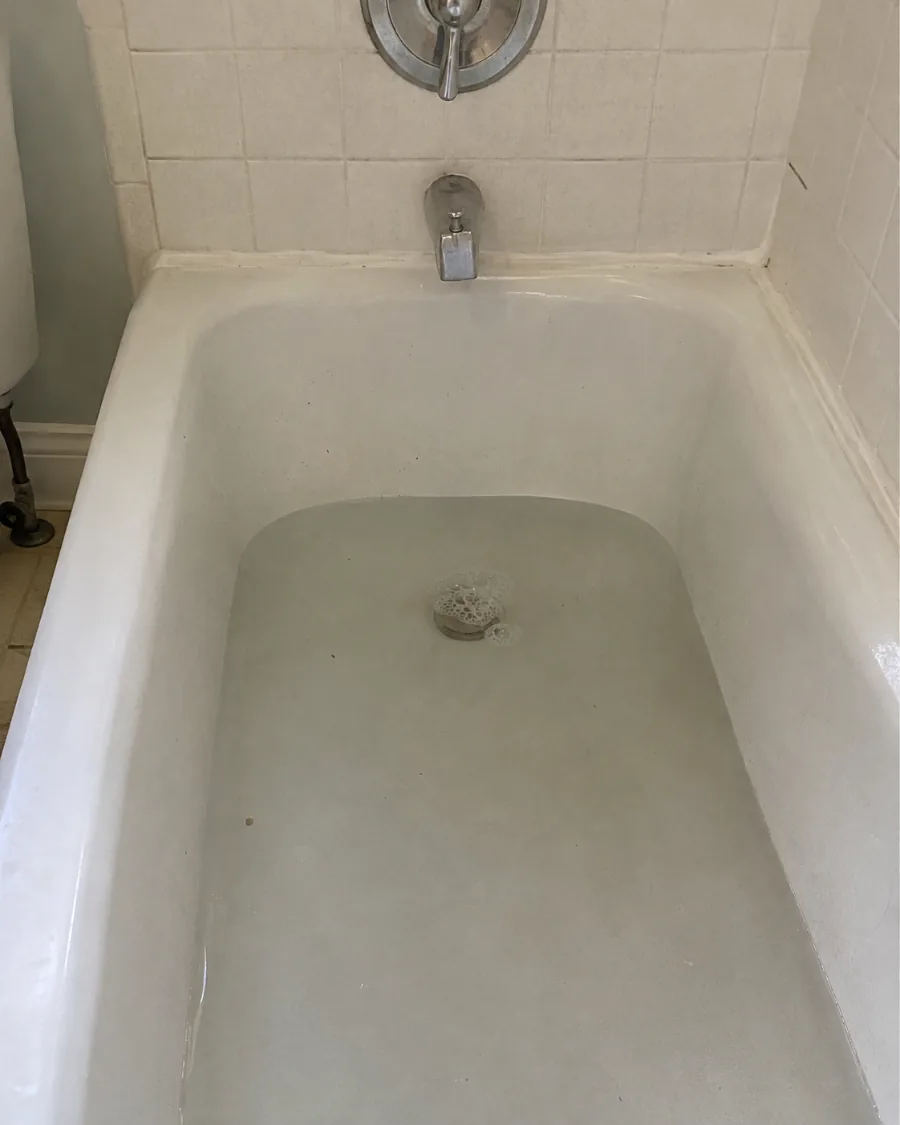
A septic system backing up in Suffolk, VA shows itself in a few ways: gray water rising in the tub, a toilet that gurgles and won't drain, a sewage smell in the yard, or a soft wet strip over the drain field that won't dry out. This page is for that day. It covers how to tell a septic problem from a city sewer one, the cleanup steps EPA recommends, which Suffolk office to call for what, and what to have ready for a septic contractor.
First: septic, or city sewer?
Parts of Suffolk are on public sewer and parts aren't. If your home is on city sewer, a backup may be the city's line rather than anything on your lot, and Suffolk's Department of Public Utilities asks residents to report sewer problems, including backups and overflows, to its Customer Service Division at (757) 514-7000. If you have a septic tank in the yard and no sewer bill, the problem is in your own system, and the steps below apply.
What to do right now
- Keep everyone away from the sewage. EPA advises avoiding contact because sewage may contain harmful pathogens. Keep children and pets out of the room and off any wet ground over the field.
- Use as little water as you can, and don't flush toilets. Every load of laundry, shower and flush sends more water to a system that already isn't taking it.
- Call the health department for guidance. That is EPA's advice for a backup into the home. In Suffolk, it's the Suffolk Health Department at 135 Hall Avenue, Suite A, (757) 514-4700, weekdays 8:00 a.m. to 4:30 p.m. The city's septic FAQ also lists (757) 514-4751 for the Health Department.
- Clean up with protection. EPA says people cleaning up should wear protective clothing such as long rubber gloves and face splash shields, wash all tools, clothing and the flooded area thoroughly, disinfect with a mix of 90 percent water and 10 percent household bleach, and not use the area until it has been completely dry for at least 24 hours. Never mix bleach with ammonia: a sewage backup fact sheet posted on VDH's website warns that it makes a deadly gas.
- Call a septic contractor. EPA's next step is to contact a local septic system service provider to find and fix the cause.
What each sign usually points to
Virginia Cooperative Extension's guide to septic failure (SPES-379) separates the warning signs like this:
- Wastewater coming up in tubs, showers, sinks or toilets. It's backing up from the tank into the house.
- Slow drains. Possibly a drain field problem, "although this could just be clogged pipes," as Extension puts it. One slow sink is a different story from every drain in the house.
- Water standing over the field, especially discolored and smelly, can indicate failure.
- An unpleasant smell, which by itself suggests a possible problem worth checking.
- Greener grass over the lines. Extension notes drought and low fertility cause the same effect, so investigate before assuming the worst.
Sewage seen on the ground surface, or sewage polluting ground water, are among the failure conditions Extension lists.
Why it happens
The usual causes, per Extension and EPA, are a tank that went too long without pumping and pushed solids into the field, an outlet baffle that wore out, a system too small for the household, roots in the lines, a field that was built on or planted over, and stretches of very heavy rain. EPA adds poor soils and high water tables. In Suffolk the calendar can play a part. Lynchburg soils, listed in the federal description of the Suffolk soil series as a wetter neighbor on lower ground, hold a seasonal high water table 6 to 18 inches down from November through April, which is why the season can make a difference on low ground.
Have this ready for the contractor
- When the tank was last pumped, and by whom. The city asks owners to keep pump-out records for at least five years.
- Whether the system is conventional or alternative. An alternative system should have an operator's log and a maintenance manual at the house.
- Where the tank lids and the field are, if you know, and whether a truck can reach them.
- Whether the system has an alternating drain field. The city's FAQ says owners of those are responsible for switching the valve every year.
- Any letter from the health department, and whether the home is under contract to sell.
If the system has failed
When a failure is documented, Extension says the health department issues a Notice of Alleged Violation that lists steps to fix it and a time frame, and the owner is responsible for the repair. Replacing a tank or drain field parts needs a repair permit, with a private soil evaluator's or engineer's design. Extension describes pumping and hauling by licensed professionals as a temporary measure until the repair or replacement is complete. Small fixes, such as a new distribution box or header lines in the same location, are maintenance with no permit. Drain field repair and the permit guide explain which is which.
One thing to avoid: building on or planting over the drain field. Extension lists both as causes of failure. Leave the tank lids for the contractor to open.
Backup questions
Will pumping the tank stop the backup?
Pumping empties the tank, which can relieve a backup for a while. Extension describes pumping and hauling only as a temporary measure until the system is repaired or replaced, so the cause still needs to be found.
Is the city responsible for a septic backup?
Not for a private septic system. Extension says the owner is responsible for repairing a failed system, and the city's pump-out FAQ puts the cost of tank maintenance on the property owner. A backup from city sewer is a Public Utilities matter: (757) 514-7000.
Does a wet yard after a storm mean the field has failed?
Not necessarily, but it is worth watching. Extension lists periods of extremely heavy rain among the factors that can cause a system to fail, and says standing water over the field can indicate failure, especially if it is discolored and smells. Water still standing after the rest of the yard dries is a reason to have the system checked.
Is septic work on a weekend more expensive?
Ask when you call. Pricing, including any after-hours rate, is set by the contractor, and the written quote is what counts.
How this site helps
Call the number on this page or send a request, and your details go to one independent local septic contractor who works in Suffolk. They contact you, look at the system, and quote the work themselves. The referral is free.
Sources
- EPA, Resolving Septic System Malfunctions (January 2025 archive)
- Connecticut Department of Public Health, Sewage Backup Fact Sheet (posted on VDH's website)
- Virginia Cooperative Extension, What Happens If My Septic System Fails? (SPES-379), April 29, 2022
- City of Suffolk, Public Utilities FAQ and septic pump-out FAQ
- Western Tidewater Health District, Locations
- VDH, July 1, 2018 septic changes flyer
- USDA NRCS, Suffolk and Lynchburg series descriptions
Sewage where it shouldn't be?
Call or send a request and one independent local septic contractor gets your details. No charge for the referral.